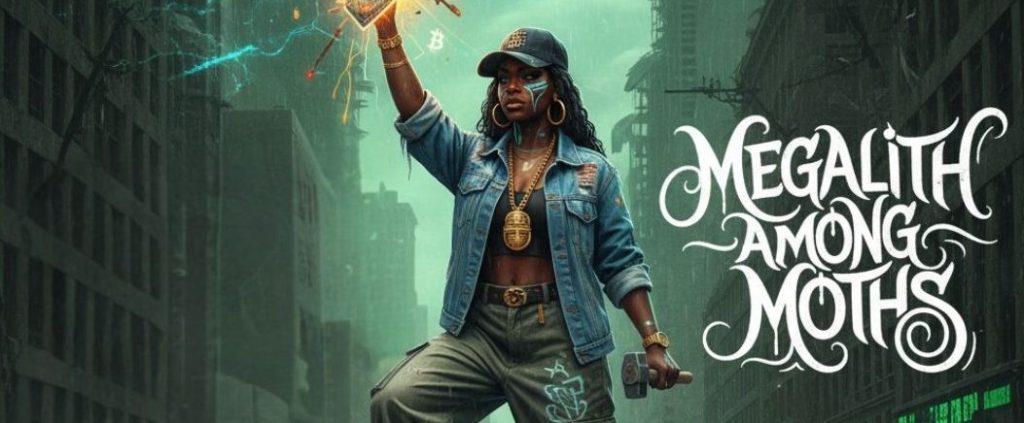
Why Intellectual Property is Crucial for Independent Black Women Artists
As independent artists, we pour our souls into our creations – our music, our visual art, our stories, our performances. Each idea sparked, each brushstroke, each note sung, is a piece of our unique perspective and experience. For independent Black artists, particularly women, this creative act often carries an even deeper significance, a reclaiming of narratives, a celebration of identity, and a powerful contribution to the cultural landscape.
But what happens when that brilliance, that unique contribution, is used by others without credit, without compensation, without even an acknowledgement of its origin? This has become a deeply urgent matter for me personally, having seen organizations benefit from and utilize my work without offering a shred of recognition. This is not just frustrating; it’s a stark reminder of why understanding and protecting your intellectual property is not just a legal formality, but a vital act of self-preservation and empowerment.It’s time to demystify intellectual property (IP) and equip ourselves with the knowledge to safeguard our artistic endeavors. Let’s break down the three main types of IP and when they become essential in your creative journey.
Understanding the Pillars of Intellectual Property: Copyright, Trademark, and Patent
At their core, copyright, trademark, and patent are all legal tools designed to protect different aspects of your creations. Think of them as different shields for different kinds of assets:
- Copyright: This is your shield for original works of authorship fixed in a tangible medium of expression. This includes literary works (books, poetry, scripts), musical works (songs, compositions), dramatic works (plays, choreography), pictorial, graphic, and sculptural works (paintings, sculptures, photographs), motion pictures, and even architectural works.
- What it protects: The expression of an idea, not the idea itself. For example, you can’t copyright the idea of a love song, but you can copyright your specific love song.
- When to consider it: Copyright technically exists the moment you create and fix your work in a tangible form (e.g., writing down a song, painting a picture, recording a performance). However, registering your copyright with the U.S. Copyright Office is highly recommended. This allows you to bring a lawsuit for infringement, and if registered within five years of publication, it serves as prima facie evidence of your ownership in court. Consider registering as soon as your work is substantially complete and you plan to publicly share it, exhibit it, or perform it. The sooner you register, the stronger your legal standing.
- Trademark: This is your shield for words, phrases, symbols, designs, or a combination thereof, that identify and distinguish the source of goods or services from those of others.
- What it protects: Your brand identity. Think of your artist name, your logo, the name of your unique performance series, or a distinctive phrase associated with your work.
- When to consider it: The moment you conceive of a unique name, logo, or slogan that you intend to use to identify your artistic brand, project, or product. While trademark rights can arise from use, registering your trademark with the U.S. Patent and Trademark Office (USPTO) provides nationwide protection and puts others on notice of your rights. Conducting a trademark search early in your ideation process is crucial to ensure your chosen mark isn’t already in use, saving you time and potential legal headaches down the line.
- Patent: This is your shield for new, useful, and non-obvious inventions or discoveries.
- What it protects: Functional inventions, processes, machines, articles of manufacture, or compositions of matter. For artists, this might be less common, but could apply to a unique mechanism for a kinetic sculpture, a new type of artistic tool, or an innovative process you’ve developed for creating your art.
- When to consider it: As early as possible in the development of your invention, ideally before any public disclosure. The U.S. operates on a “first-to-file” system, meaning the first to file a patent application generally gets the rights. If you’ve invented something truly novel and useful, consult with a patent attorney to explore your options.
The Urgency of Protection: Why Now?
For Black women artists, the stakes are often higher. Historically, and even in contemporary times, our contributions have been overlooked, undervalued, and appropriated.
The pain of seeing your unique vision co-opted without recognition is not just emotional; it can significantly impact your ability to build a sustainable career and receive the credit and compensation you deserve.
When you protect your intellectual property, you:
- Establish Ownership: You legally affirm that this work, this idea, this brand, is yours. This provides a crucial foundation for any future collaborations or commercial ventures.
- Prevent Unauthorized Use: With registered IP, you have the legal standing to stop others from copying, distributing, performing, or displaying your work without your permission.
- Monetize Your Work Effectively: IP protection allows you to license your work, sell merchandise, and control how your art generates income. You dictate the terms, rather than having your work exploited.
- Build Your Legacy: By safeguarding your creations, you ensure that your contributions are recognized and celebrated for generations to come, securing your place in artistic history.
Don’t wait until your work is widely recognized – or worse, widely appropriated – to consider intellectual property. Integrate IP protection into your creative process from the very beginning. Research, consult with legal professionals specializing in intellectual property, and take proactive steps to claim what is rightfully yours.
Your art is your power; protect it fiercely.


Leave a comment